From Film Classroom to Loyola Marymount: Henry Gillette's Sparkling Water
When Henry Gillette walked into my high school filmmaking class, he already loved movies—but he didn’t yet know how far his own stories could take him. Today, Henry is a filmmaking student at Loyola Marymount University, building a growing body of work and a professional reel that already includes client projects and a powerful portfolio film called Sparkling Water.
A Portfolio Film With Something to Say
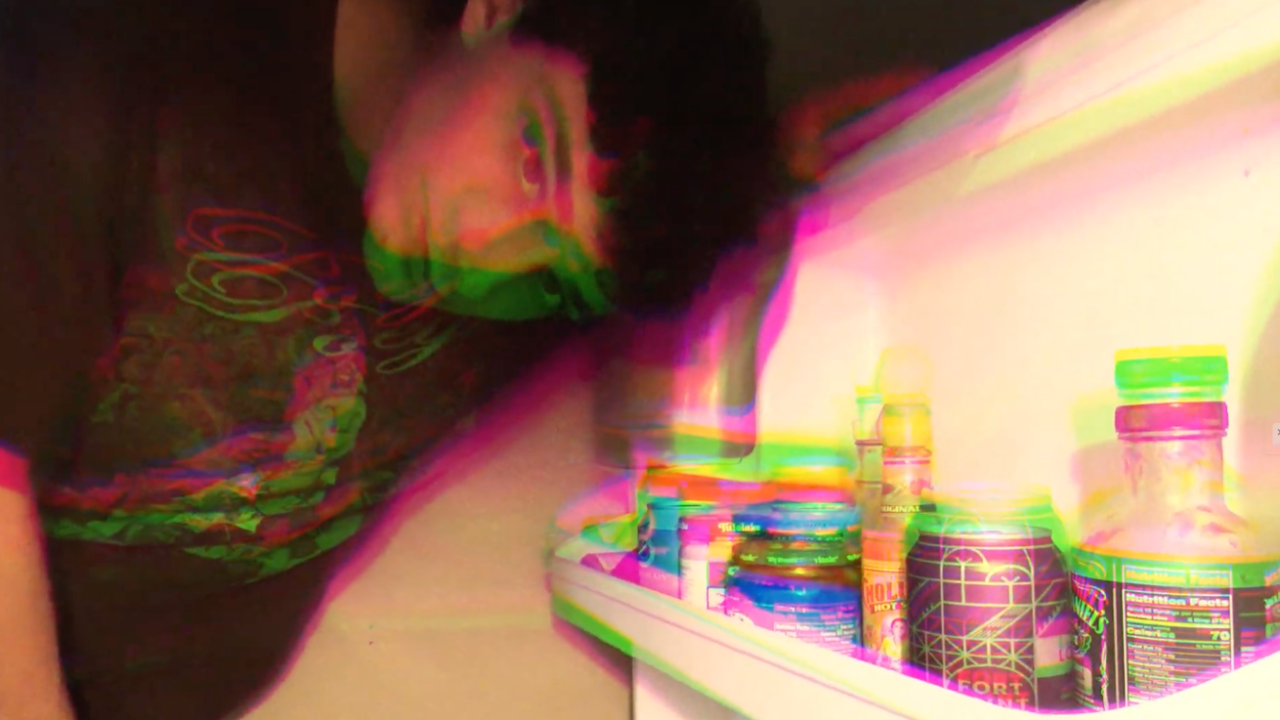
For his film school applications, Henry didn’t just want to show technical skill; he wanted to tackle a subject that mattered deeply to him. Sparkling Water became that film: a tense, unnerving look at eating disorders, an issue that affects millions of people but is still underrepresented—and often glamorized—on screen.
Rather than trying to tell a definitive story about recovery, Henry aimed to give viewers a snapshot of what it’s like to live inside that struggle. The film’s emotional tone is its engine: uneasy, honest, and quietly devastating without ever tipping into misery for misery’s sake.
Finding the Right Tone Through Revision
Getting that tone right did not happen on the first cut. Henry went through weeks of revisions, experimenting with pacing, music, performance, and visual rhythm. At first, every change seemed to either drain the film of energy or push it into something too bleak and one‑note.
In class, we talk a lot about refusing to settle for “good enough.” Henry took that to heart. By embracing the revision process—watching cuts with fresh eyes, taking notes, and making bold changes—he eventually found the balance he was looking for: a film that is tense and unsettling, but still human, nuanced, and truthful.
Lessons for Future Film Students
Henry’s journey offers a few key takeaways for students who are dreaming of film school and festival success:
- Your portfolio film should reveal your voice, not just your gear. Sparkling Water resonates because it’s personal and specific, not because of any single shot or effect.
- Revision is where real filmmaking happens. The first cut is rarely the best cut; growth lives in the re‑writes and re‑edits.
- There is no single “right” way to do art. What matters is whether you see yourself in the work and whether the film feels honest to you.
Those lessons helped Henry craft a film that stood out in a competitive application pool and contributed to his acceptance at Loyola Marymount University, where he is now continuing to refine his craft in a university setting.
From Classroom Projects to Professional Work
While building his portfolio, Henry has also been working on several short films and serving as a videographer for professional clients, including projects for windsurfer Kai Lenny’s new water sports app, Venturi Sports. That mix of personal storytelling and real‑world production experience has given him a strong foundation as he steps into LMU’s film program.
You can follow his ongoing work through his production channel, Shriek Productions, and on Instagram at @the.realjohnfkennedy, where he continues to share behind‑the‑scenes looks at his projects and creative process.
Go check out his film!
https://youtu.be/tv8mICCzf-0?si=UGxgdjLNqYk39mLx